A Confidential TSCM Case Study
ORIGINAL PUBLICATION: 11 May 2018 REVISION COMPLETED: 17 September 2026 AEST
By Navid Sobbi, Founder and CEO, NSI Global
A radio-frequency scan can identify active transmissions, but it cannot by itself exclude every form of covert surveillance. In this confidential corporate matter, a network device appeared to operate normally and presented no obvious external sign of modification. A broader Technical Surveillance Counter Measures examination identified an unusual thermal pattern and, after controlled inspection, a concealed pinhole camera with battery power and local storage.
The case demonstrates why TSCM should be commissioned as a risk-based investigation rather than a generic promise that a room is clean. The decisive question is not whether one instrument detected a signal. It is whether the agreed combination of methods examined the surveillance pathways that were credible in the client’s environment.
Case Study at a Glance
| Field | Case detail |
| Engagement trigger | An unresolved concern that covert surveillance may have affected a sensitive executive environment |
| Environment | Corporate network equipment positioned within an executive office |
| Risk pathway | A locally recording device capable of operating without a continuous radio-frequency transmission |
| Material indicator | An atypical thermal pattern that justified controlled physical examination |
| Finding | A concealed pinhole video camera, battery supply and removable local storage |
| Management lesson | TSCM scope must follow the credible surveillance pathways rather than rely on one instrument or test |
The Confidentiality Concern
NSI Global was engaged in relation to a corporate surveillance concern affecting an executive office. The client’s identity, location and operational details remain confidential. The relevant network device was already present in the office, remained functional and did not display an obvious outward indication that it had been altered.
Earlier checks had not resolved the concern. That did not prove the environment was compromised, but it also did not justify treating the premises as permanently clear. The unresolved risk required a wider assessment of how information could be collected, including a device that might record locally instead of transmitting continuously.
Why a Transmission Scan Was Not Enough
Many people associate a bug sweep with searching the radio spectrum for a hidden transmitter. Radio-frequency analysis is important, but it addresses only part of the problem. A surveillance device may be switched off, transmit intermittently, use an unexpected communications pathway or retain information on internal or removable storage for later recovery.
In this matter, the concealed camera did not need to maintain a continuous external transmission. Its local storage architecture reduced the likelihood that a transmission-centred inspection would identify it at the moment of attendance. The absence of a reportable signal therefore could not answer whether ordinary office equipment had been modified to collect information.
A defensible TSCM scope considers the information at risk, the people and locations involved, access opportunities, the timing of suspected disclosures and the physical, communications and electronic pathways through which collection could occur.
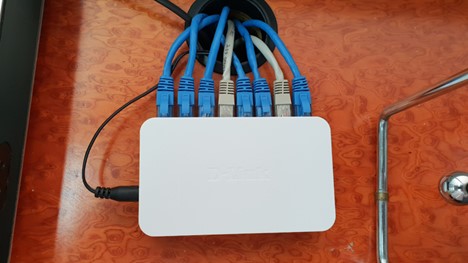
Figure 1 The network device before controlled examination
A Layered TSCM Examination
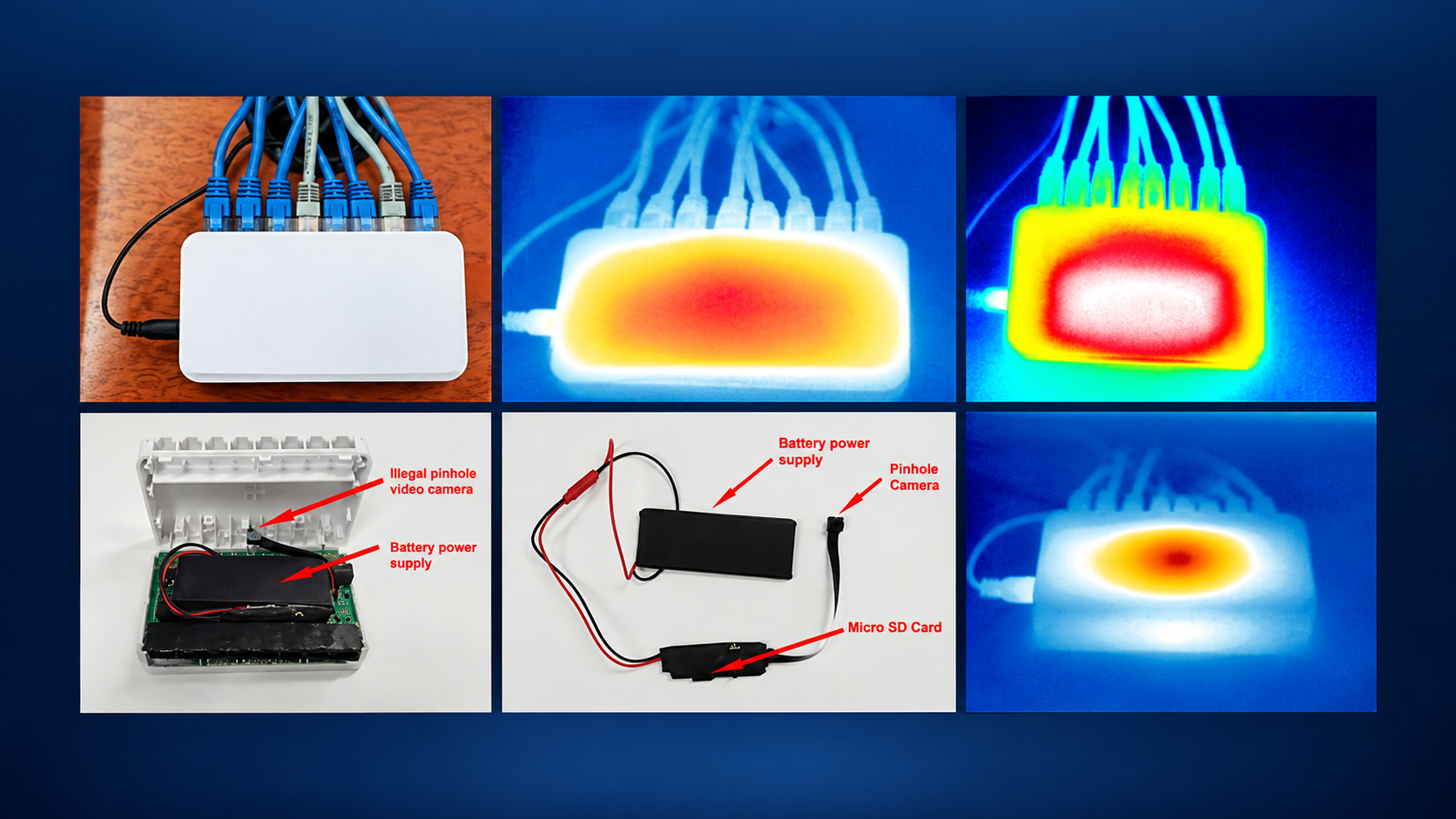
The examination combined complementary methods selected for the environment and the suspected risk. At a high level, this included assessment of the device in context, visual and physical observations, consideration of network and radio-frequency behaviour, and thermal imaging of the equipment and surrounding area.
Thermal imaging does not independently prove that equipment contains a surveillance device. Legitimate components generate heat, and temperature patterns vary with load, ventilation, design and surrounding conditions. Its value in this case was comparative: the observed pattern was inconsistent with what the investigators expected from the apparent function and construction of the device. That discrepancy justified closer examination.
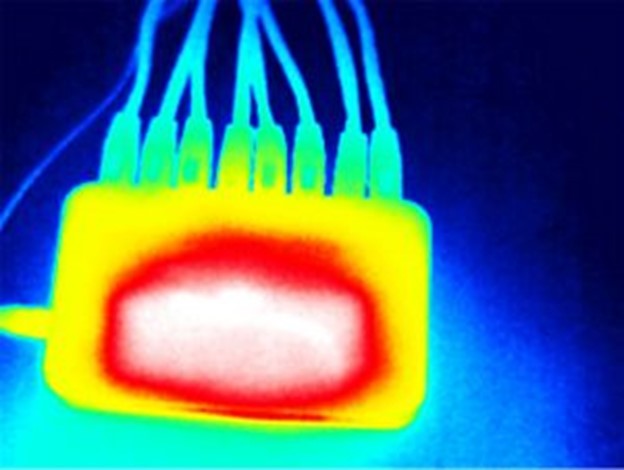
Figure 2 Thermal examination revealed a broader heat pattern requiring investigation
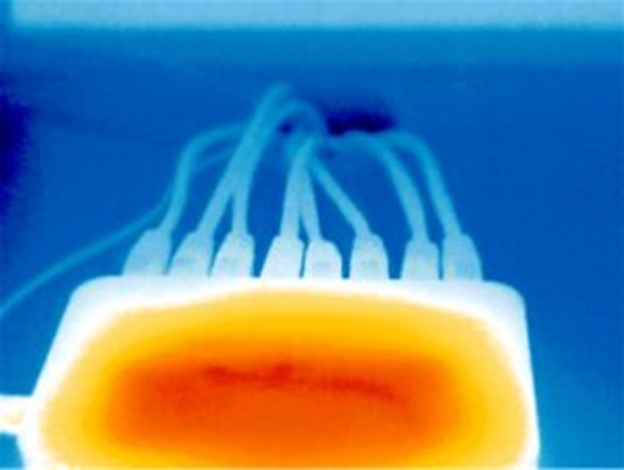
Figure 3 A comparison view showing a more localised thermal signature
The Concealed Camera
Following the anomalous thermal finding, the equipment was opened under controlled conditions. The internal inspection revealed a pinhole video camera, a separate battery supply and removable microSD storage concealed within the enclosure.
The device’s ordinary appearance and continued network function made it a plausible concealment platform. Its location within the executive environment created a risk that activity at the workstation and other visual information in the room could be recorded without relying on a continuous radio-frequency link.
The finding was technically significant, but it did not by itself establish who installed the equipment, when the modification occurred, what content had been recorded or who may have accessed that content. Those questions require separate evidential assessment, including the device, storage media, access history, relevant systems and surrounding circumstances.
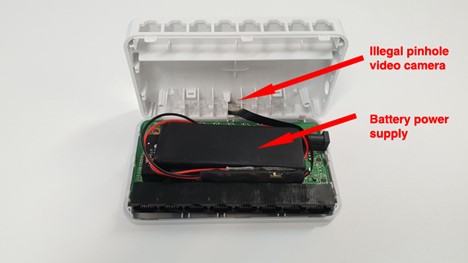
Figure 4 Controlled examination of the opened network device
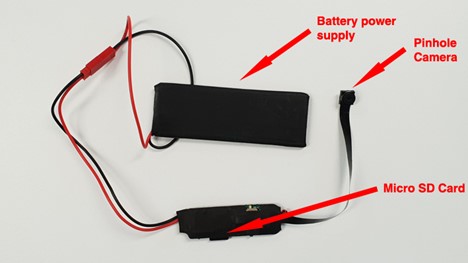
Figure 5 Pinhole camera battery supply and removable storage identified inside the device
Evidence and Escalation
Finding a suspicious device changes the engagement. The priority moves from detection to controlled escalation, documentation and preservation. Unplanned handling, disassembly, powering or testing can alter physical and digital evidence, expose the discovery to an involved party or make later reconstruction more difficult.
The appropriate response depends on authority, safety, the client’s objectives and whether litigation or law-enforcement involvement is reasonably foreseeable. The response plan may require coordination with authorised executives, legal advisers, investigators, digital forensic examiners or police. A TSCM report should record the scope, relevant methods, access limitations, finding, photographs, handling decisions and recommended next actions.
The equipment should not be described publicly as illegal merely because it was concealed or unauthorised. Criminality, admissibility and attribution are legal and evidential conclusions that depend on the jurisdiction and full circumstances.
What the Case Establishes
This case establishes a practical limitation of narrowly framed surveillance inspections: a locally recording camera concealed inside functional equipment may not present the active radio-frequency behaviour that a transmission-centred scan is designed to find.
It does not establish that thermal imaging will find every concealed device, that every negative survey is unreliable or that one fixed checklist is appropriate for every site. The material lessons are narrower and more useful:
- No single instrument or test can address every credible surveillance pathway.
- Ordinary equipment may require closer assessment when its behaviour or physical characteristics are inconsistent with its expected function.
- A negative result is bounded by the agreed scope, methods, access, environmental conditions and observation period.
- An anomaly is a reason to investigate, not automatic proof of compromise.
- The engagement should include an escalation plan before suspicious equipment is handled.
- Reporting should explain both the finding and the residual risk that remains outside the commissioned work.
Questions to Ask Before Commissioning TSCM
Organisations can reduce the risk of a narrowly scoped engagement by asking prospective providers:
- What information, activity or person is the engagement intended to protect?
- Which rooms, adjoining areas, vehicles, systems and items of equipment fall within scope?
- How will the proposed methods address transmitting, intermittent and non-transmitting collection pathways?
- What access, environmental or legal limitations could affect the result?
- What will happen if a suspicious item or inconclusive anomaly is identified?
- How will evidence handling, photographs, limitations and recommendations be documented?
- Does the provider have experience, secure communications and reporting capability appropriate to the risk profile?
A broad scope is not the same as an indiscriminate one. It should be wide enough to cover the credible risk profile while remaining proportionate, lawful and directed to a decision the client needs to make.
From One Survey to Continuing Protection
A TSCM survey is a point-in-time assessment. New equipment, contractor access, maintenance, refurbishment, travel, temporary offices and changes in personnel can alter the environment after the survey. The appropriate next control may therefore be a targeted repeat survey, a pre-meeting inspection, live meeting monitoring, continuous monitoring, stronger access control or a coordinated digital-forensic and investigative response.
The choice should follow the threat. Continuous monitoring is not automatically superior to a well-scoped survey, and repeated surveys cannot compensate for uncontrolled access or poor handling of sensitive meetings. TSCM is most effective when integrated with physical security, communications security, cybersecurity and governance.
How NSI Global Supports TSCM Matters
NSI Global assists corporate, government, defence, law-enforcement and legal clients through Technical Surveillance Counter Measures. Engagement options include bug sweeping services, corporate office TSCM, event-specific monitoring, continuous monitoring and coordinated investigative or forensic work where the risk crosses disciplines.
NSI Global begins with the information at risk, the indicators that created concern and the decision required from the engagement. The resulting proposal should identify the areas and systems to be examined, material exclusions, reporting arrangements and the response pathway if a device or anomaly is found.
If covert surveillance is suspected, use a trusted device from a location away from the potentially affected space. Do not discuss the concern inside that space or handle unfamiliar equipment. Contact NSI Global for a confidential assessment or call 1300 000 NSI (674).
Frequently Asked Questions
Can a Bug Sweep Detect a Non-Transmitting Camera?
Potentially, if the scope and methods address non-transmitting devices. Physical inspection, thermal analysis, non-linear junction detection and other techniques may contribute, but no responsible provider should guarantee that every device will be found.
Why Might an RF Scan Miss a Concealed Camera?
A camera may record to local storage, remain dormant, transmit only intermittently or use a communications pathway that is outside the monitored conditions. An RF scan answers only the questions supported by its frequency coverage, observation period and environment.
Is Thermal Imaging Enough to Confirm a Surveillance Device?
No. Heat can be generated by legitimate components and operating conditions. Thermal imaging can identify an anomaly that warrants investigation, but confirmation requires interpretation and, where authorised, further examination.
Should Suspicious Equipment Be Opened Immediately?
Not automatically. Opening, powering or moving an item may alter evidence or alert an involved person. The action should follow an agreed escalation plan and, where appropriate, legal or law-enforcement advice.
Does a Negative TSCM Result Mean a Room Is Clean?
No. It means no reportable device or anomaly was identified within the agreed scope, methods, access, environmental conditions and observation period. The report should state limitations and residual risk.
What Should a TSCM Report Include?
A useful report records the authority and scope, locations and systems examined, relevant methods, access limitations, findings, confidence, handling decisions, residual risk and recommended actions.
In Sum
The central lesson is not that every earlier sweep will fail. It is that surveillance risk cannot be reduced to a single scan or a verbal all-clear. In this matter, the concealed camera was identified because the examination extended beyond active transmissions and tested the behaviour of ordinary equipment against its expected function.
Organisations obtain more defensible assurance when the scope covers their credible risk pathways, the methods complement one another and the report explains what was examined, what was found and what remains uncertain.
Evidence Base and Related Guidance
- NSI Global Technical Surveillance Counter Measures
- NSI Global Bug Sweeping Services
- NSI Global Corporate Office TSCM
- TSCM Bug Sweeps Business Benefits Limits and When to Act
- Australian Government Applying the Protective Security Policy Framework
- Director General of Security Annual Threat Assessment 2026
Important This case study is general information, not legal advice. Client-identifying and operational details have been withheld. TSCM findings and appropriate responses depend on the engagement scope, authority, e